Family: Squamanitaceae
Squamanitaceae - family within order Agaricales (Gilled mushrooms)
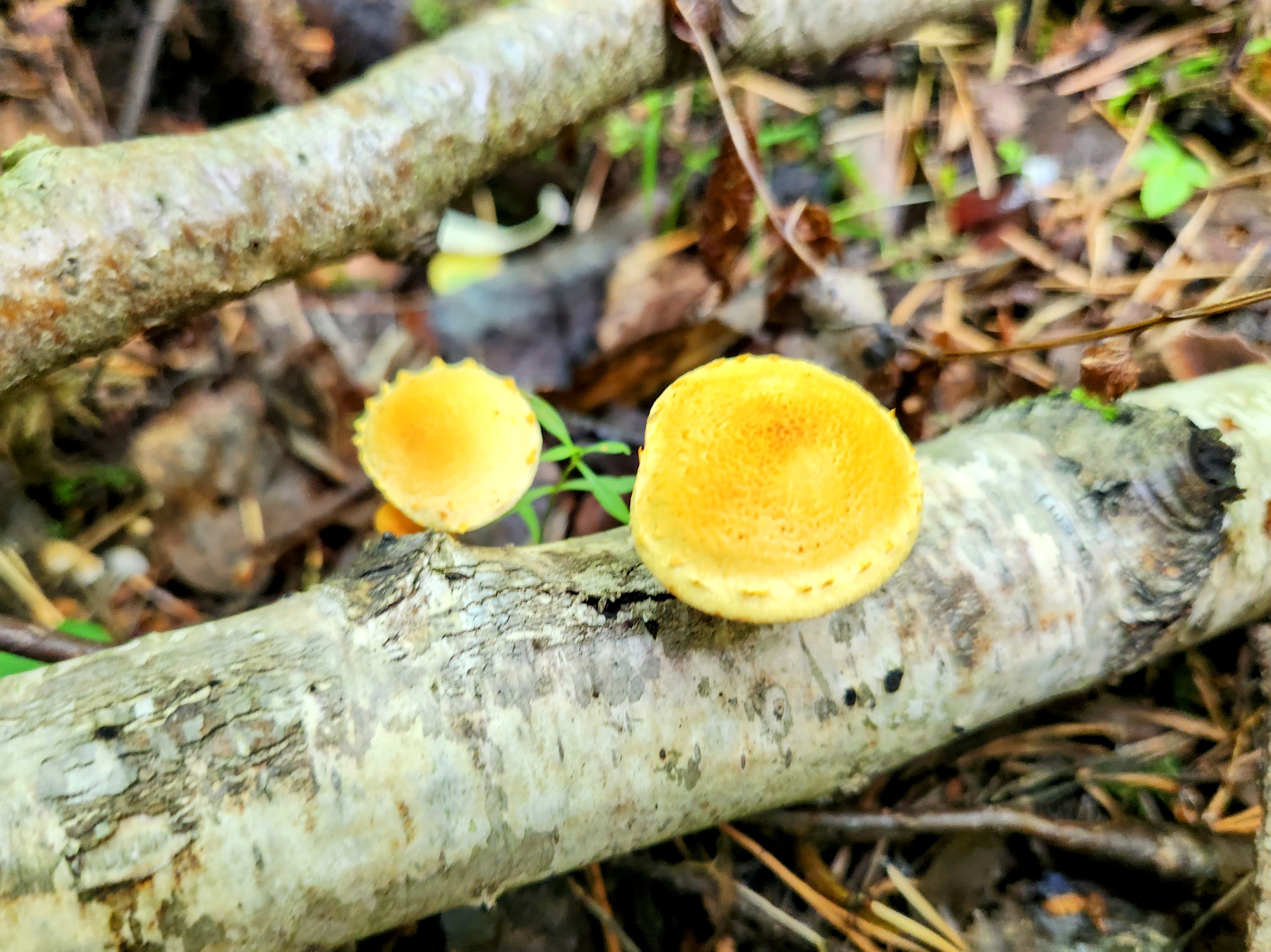
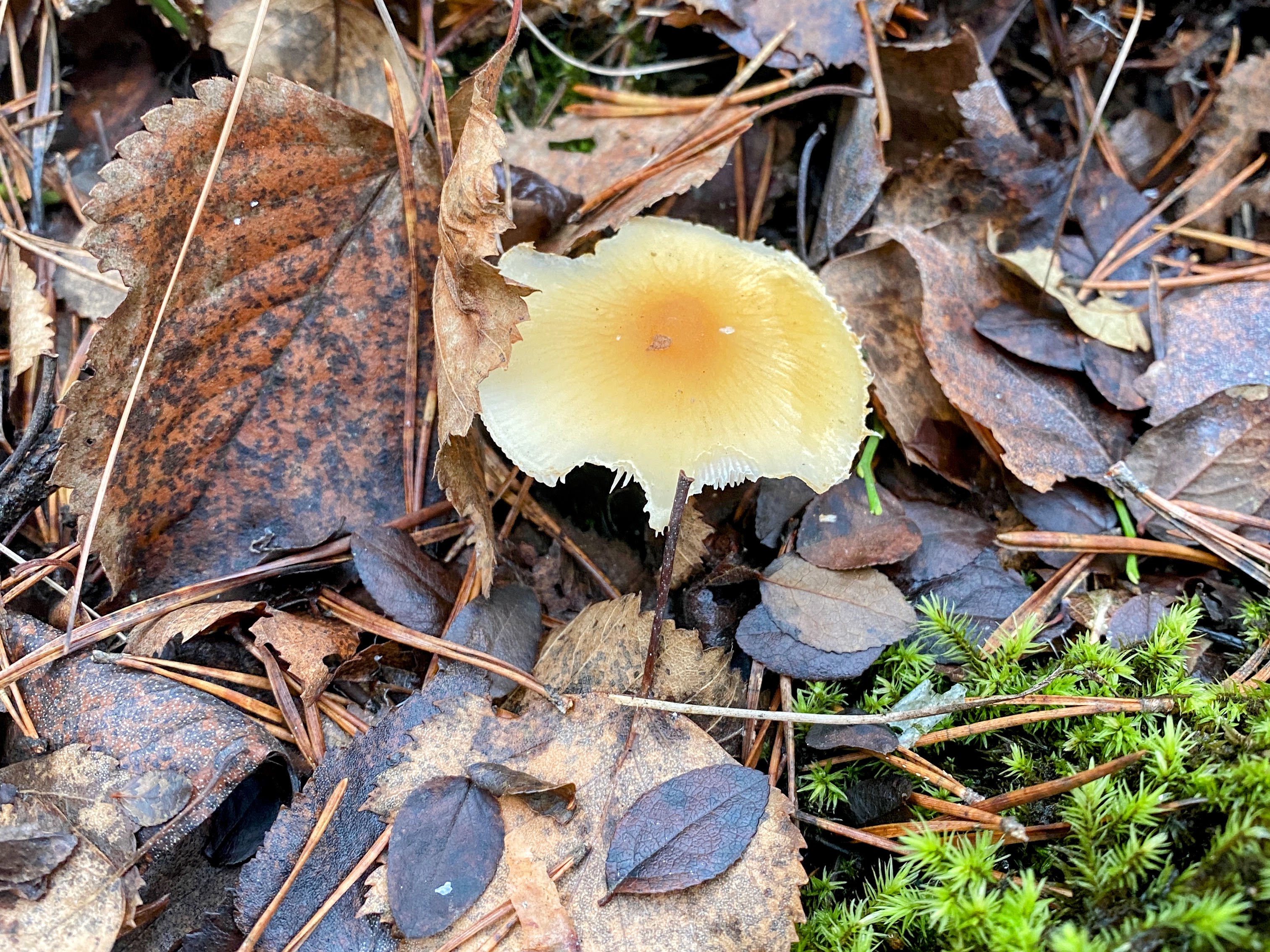
This family was first described in 1981 by Dutch mycologist Walter Jülich. Its modern description is result of molecular research based on cladistic analysis of DNA sequences. Family has partial recognition: all its genera have alternative family affiliation to Tricholomataceae or Agaricaceae. Fruit bodies differentiated into cap and stem, various sizes - from small to very large. Caps more or less convex, in some species in maturity unfold to flat, scaly, less frequently velvety or finely tuberculate. Hymenophore lamellar, developed. Universal veil absent, partial - developed, membranous type, in several species leaves ring on stem. Stems proportionally long, usually scaly, with ring or without it. Saprotrophs on soil and litter, less frequently on decaying wood, or parasite-mycofiles. Some species from genera Cystoderma, Floccularia and Leucopholiota, as well as only species of genus Phaeolepiota consumed as food. All these species rare and little-known as edible, and their collection not part of traditional Russian mushroom culture.