Genus: Collybia
Collybia - genus of fungi of family Clitocybaceae.
Etymology
Collybia f, Collybia, Money mushroom. From κόλλυβος (kollybos) m, small coin [Saccardo, P.A. Sylloge Fungorum V: 200 (1887)].
Type species
Collybia tuberosa (Bull.) P. Kumm., Führ. Pilzk. (Zerbst): 119 (1871)
Genus long time belonged to family Tricholomataceae (Tricholomataceae) of order Agaricales of class Agaricomycetes; recently transferred to its own family Clitocybaceae (Vizzini, Consiglio & M. Marchetti, 2020). Initially existed from 1821 as a tribe separated by Elias Fries within genus Agaricus, to which almost all lamellar fungi were then assigned. Elevated to status of independent genus in 1857 by Friedrich Staude. Unites several hundred species, many of which based on results of more detailed research were subsequently transferred to other genera, and sometimes families.
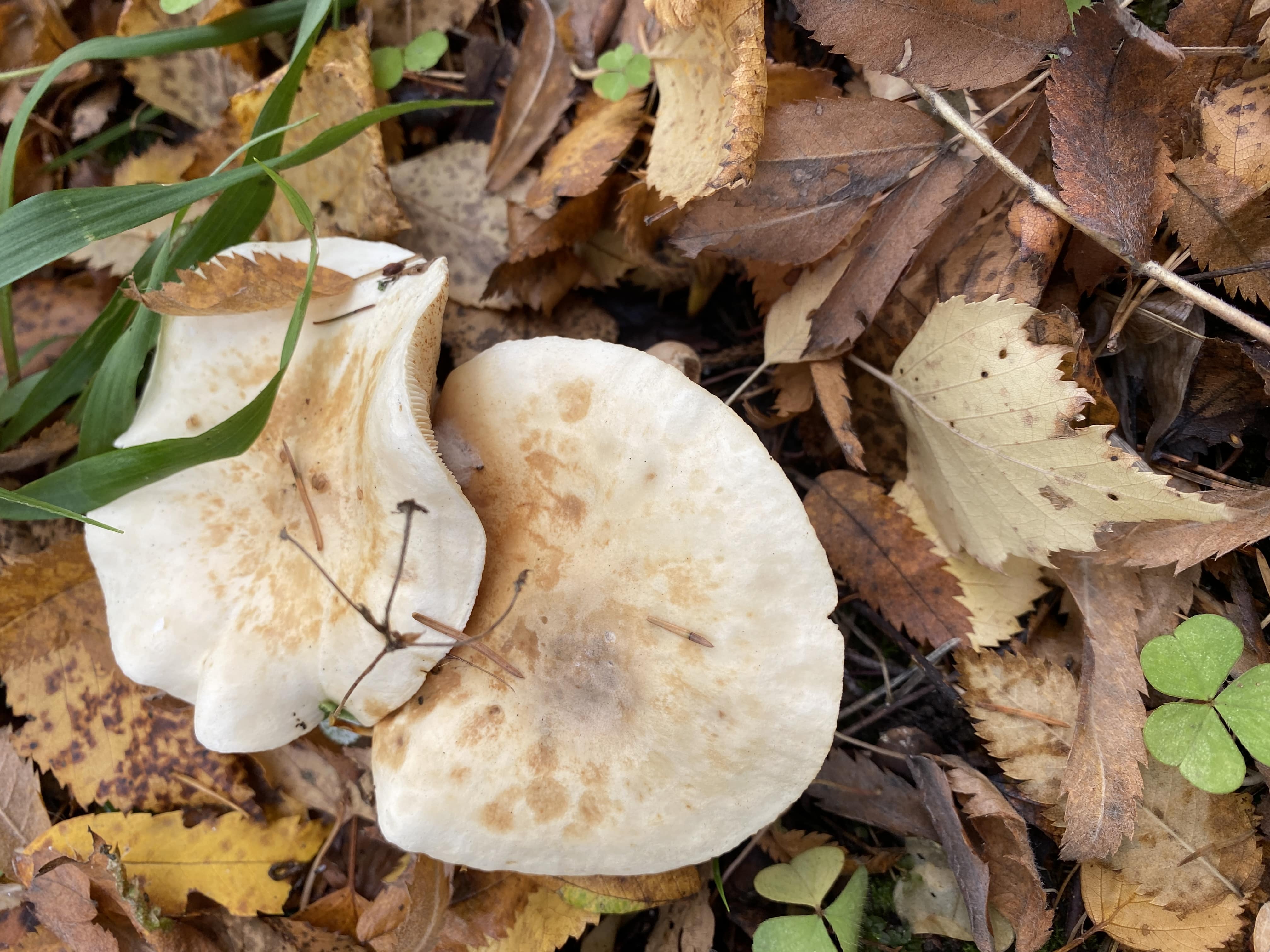
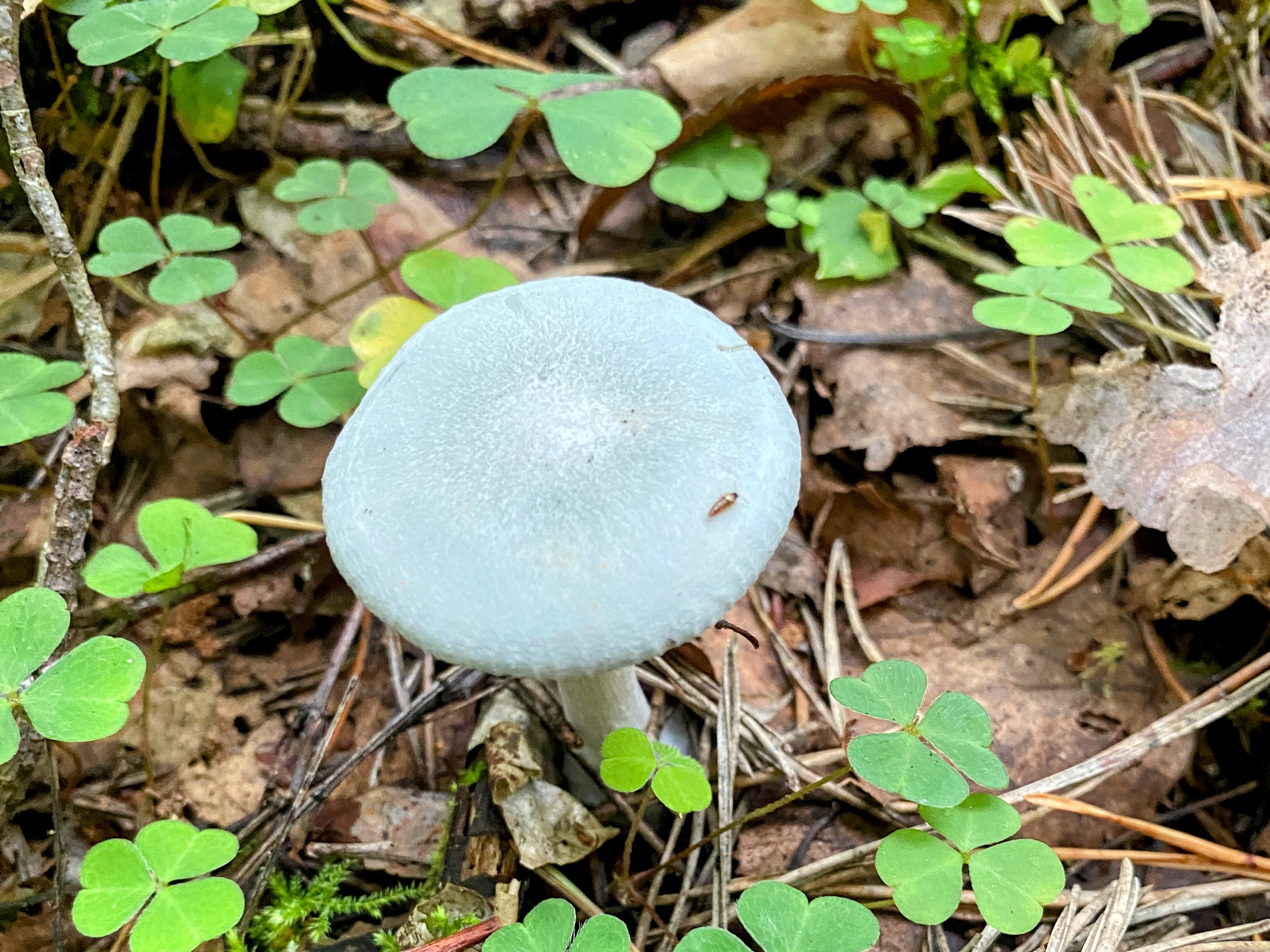
Fruit bodies differentiated into cap and stem, thin-fleshy, of small and medium, occasionally large sizes. Caps 2-7(20) cm in diam., in very young mushrooms more or less convex, but quickly flattening to expanded, and in many species - concave up to funnel-shaped, sometimes with rounded or sharp umbo in center, usually light-colored: white, grayish, brownish, cream or ochre. Cuticle not removable. Edge of cap incurved in young caps, then quickly straightens, sometimes turns out. Hymenophore lamellar. Gills narrow, of various frequency, more or less decurrent on stem, light-colored - from white to light-brownish. Spores light-colored, usually white. Partial and universal veils absent. Stems 4-8(25) cm high, 3-10(50) mm thick, central, cylindrical, often slightly thickened at ends, in several species - tough, elastic, in others - loose. Flesh thin-fleshy, usually not changing color upon cutting, light-colored, smells various - mushroom, fruity, floral, mealy, tomato leaves, dampness, decaying wood, etc.
Saprotrophs on soil and forest litter, in rare cases - wood saprotrophs or parasites of root system of trees, grow usually in groups in forests on soil among grass, less frequently outside forest. Widely distributed across almost entire globe, species of this genus found on all continents except Antarctica.
Economic value of genus as food product very small. Majority of species of Clitocybe poisonous, contain muscarine and muscarine-like substances; some deadly poisonous. Antibiotics isolated from several species (clitocybin, diatretin, nebularin, etc.). Very few species consumed as food, food qualities low, and collecting Clitocybe in view of difficulty of their precise identification to species not recommended even for experienced mushroom foragers.