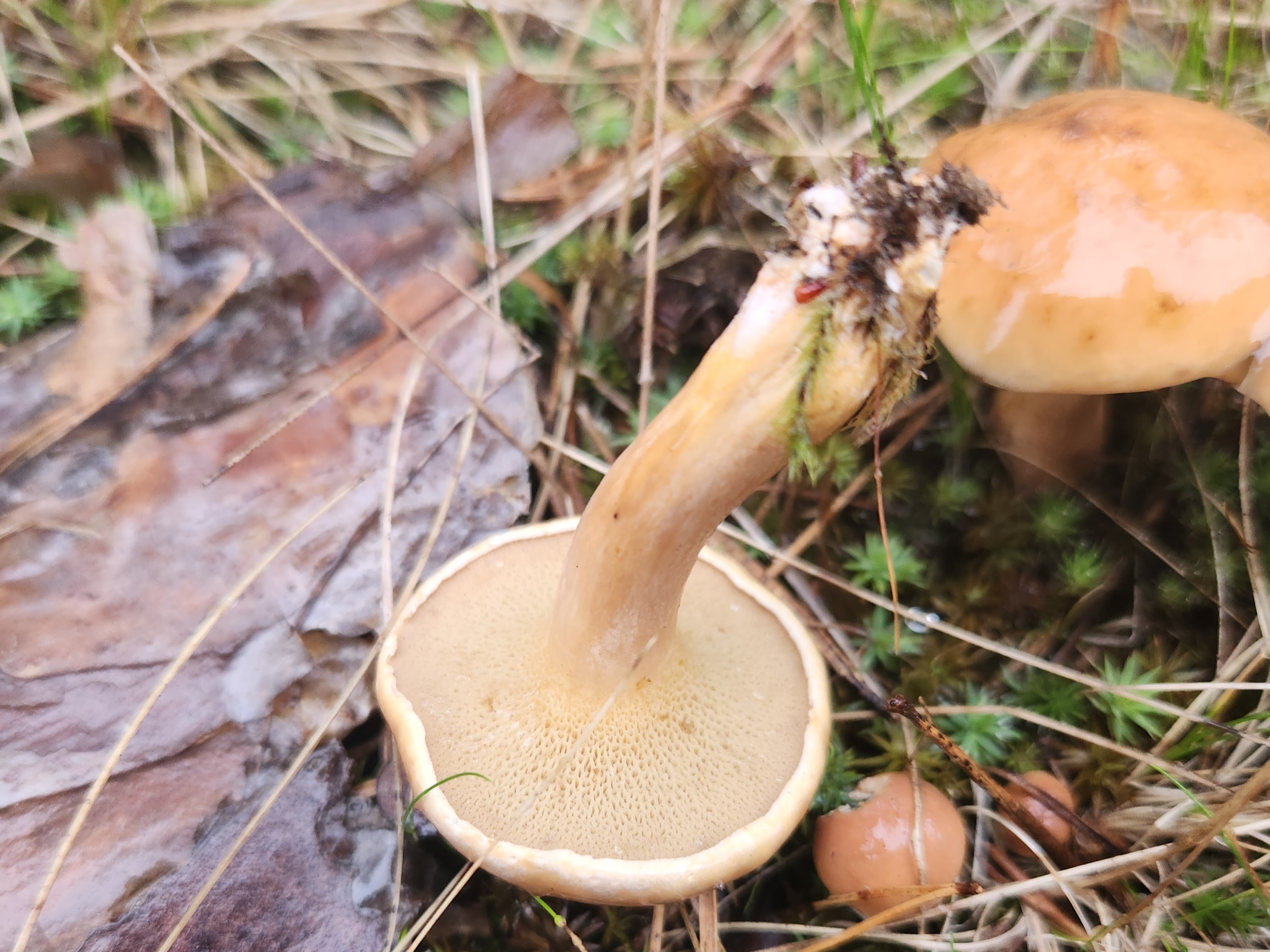
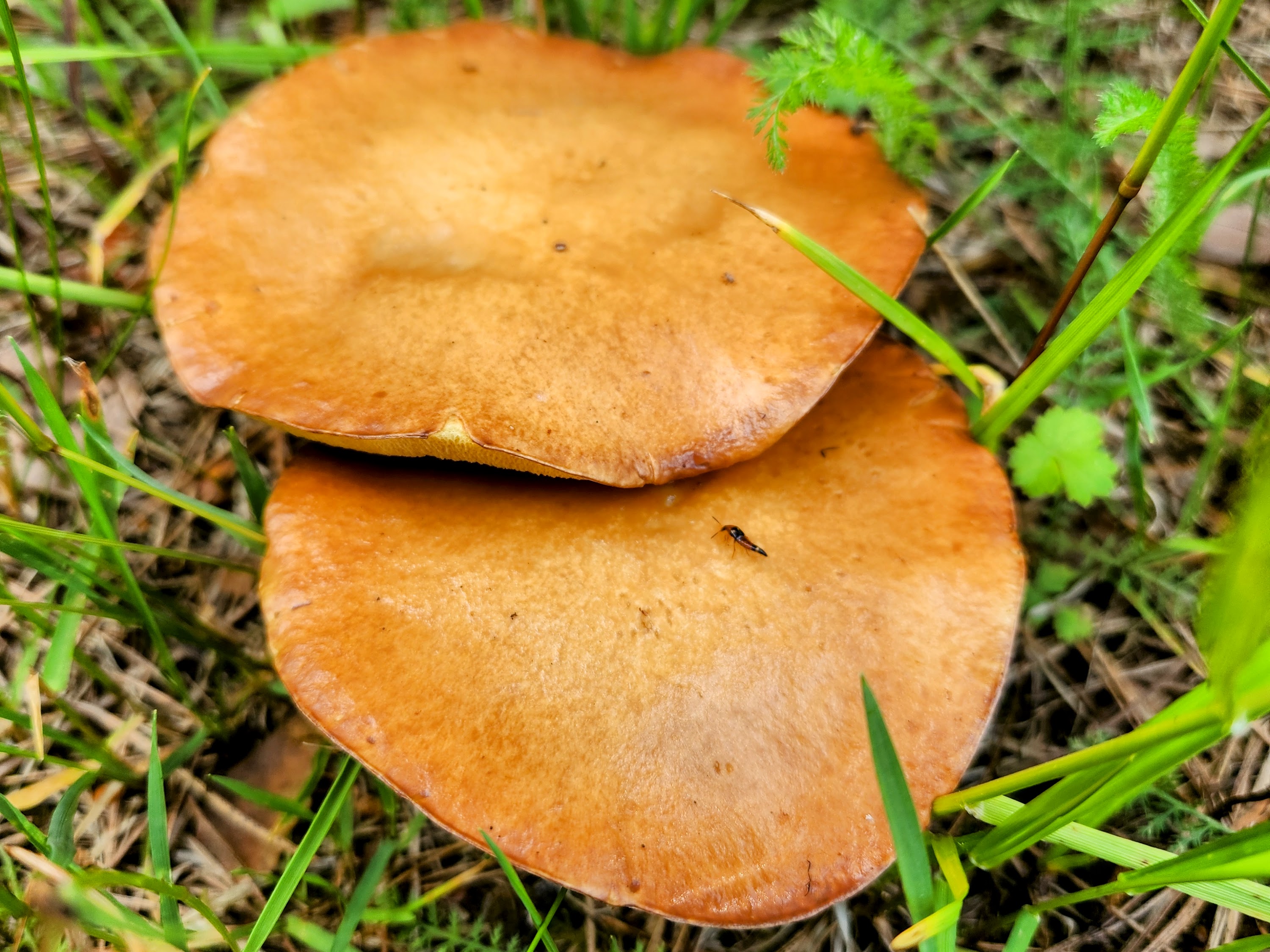
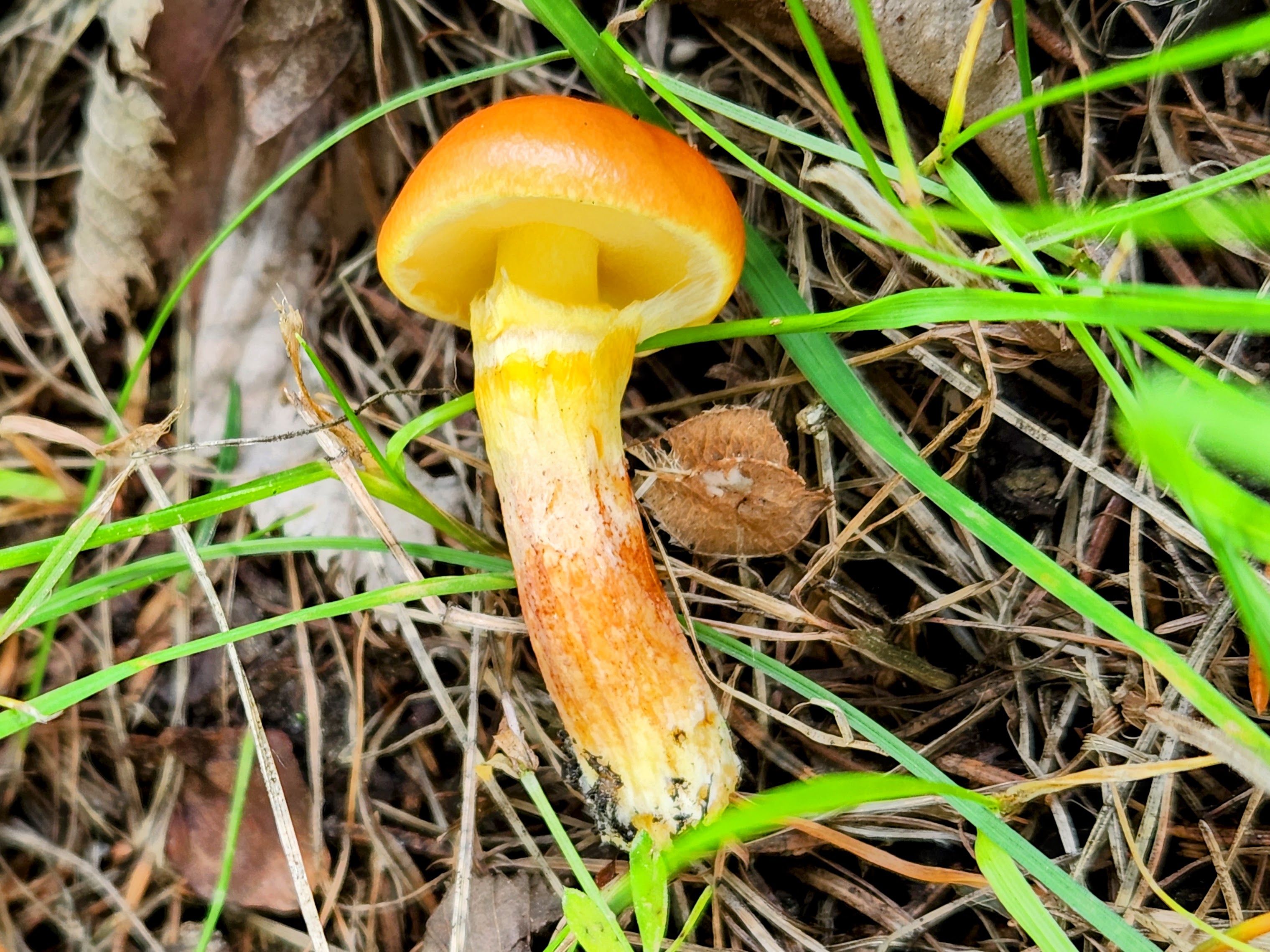
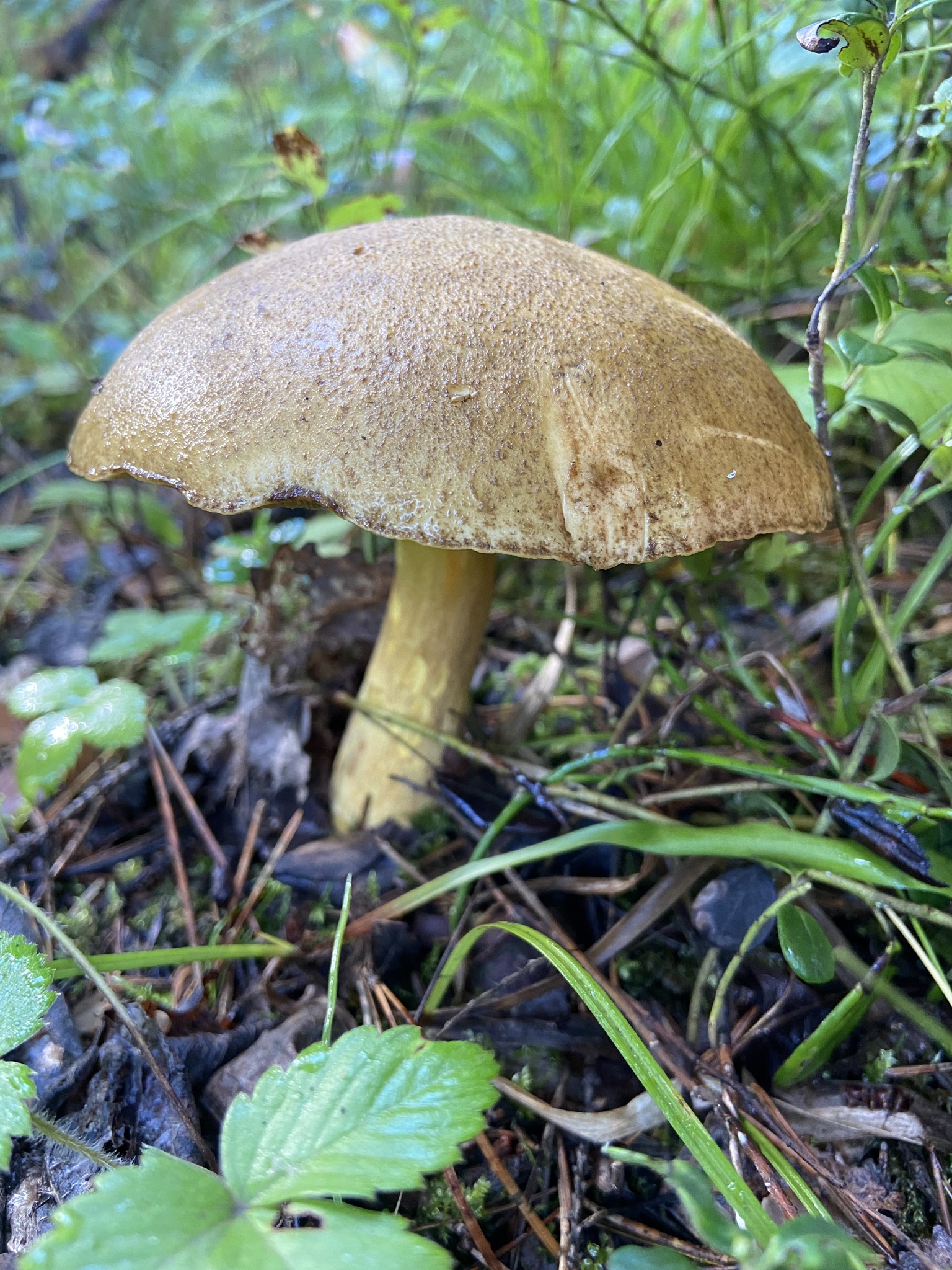
Genus: Suillus (Slippery jack)
Suillus (Slippery jack) - genus of fungi of family Suillaceae.
Etymology
Suillus, Suillus. From suillus, a, um, porcine, of a pig.
Name of genus Suillus derives from Latin word sus — pig. This name the genus received by inheritance. In 1583 Italian naturalist Andrea Cesalpino in book "De plantis libri XVI" ("Book on Plants of the 16th Century") divided all fungi known to him at that time into three classes: Tuber and Tartufi (underground fungi), Pezicae (terrestrial fungi without stem) and Fungi (cap fungi and polypores). Cap fungi, in turn, were divided by him into 16 groups, among which Caesar's mushroom (edible fly agaric Amanita caesarea) fell into group Boleti (good edible fungi), while porcini, moss mushrooms and slippery jacks — into group Suillus (piggish fungi) or Porcini (tubular fungi). It should be added that naming of taxa in A. Cesalpino's classification was based on Italian folk names. Even those still used in mycology today often had quite different meanings in old times.
In book "Third Hunt" by Vladimir Alekseevich Soloukhin we read: "This name originated from appearance of the fungus or even, rather, from touch. Everyone knows that slippery jack is covered with slime on surface of its cuticle. But here is what is interesting: so sympathetic are these fungi to people that they did not call them something demeaning, for example slimy-ones, or slicky-ones, or even snot-ones, which would also be accurate, but — buttery-ones (maslyata). It is known that everything slippery, slimy evokes in people if not disgust, then contempt. However, slippery jacks avoided this fate. Not slimy, but buttery — quite different associations, quite different attitude: buttery can be both a pancake and porridge or, as in the song about the cockerel, 'silken little beard, buttery little head'".
Genus Suillus is largest genus of family Suillaceae; until 1997 it was included in family Boletaceae. According to various sources, 50 to 80 species of slippery jacks are known worldwide. In Russia there are more than 20, and 8 or 9 species occur in its European territory.