Family: Cortinariaceae (Cortinarius family)
Cortinariaceae (Cortinarius family) — family of fungi within order Agaricales (Gilled mushrooms).
One of least "mobile" families regarding species composition. As series (rank between genus and species) Cortinariaceae were first described in 1876, and elevated to status of independent family by R. G. Aime in 1934; for long time this name, according to International Code of Nomenclature (mycological nomenclature follows botanical laws), was considered invalid; finally Cortinariaceae legitimized in 1983 by Czech mycologist Zdeněk Pouzar. There was no single interpretation of Cortinariaceae and unambiguously recognized list of species belonging to this family existed for long time; different systems were applied - Singer (1962, 15 genera), Kühner (1980, 6 genera). According to 10th edition of Dictionary of Fungi (2008), family included 15 genera, and accounting for genera of doubtful affiliation and genera recently separated from larger ones – 36 genera. Type genus Cortinarius, including over 2 thousand species according to Dictionary of Fungi 2008, is often divided into subgenera, some of which are also understood as independent genera. More detailed internal systematics of genus Cortinarius will be considered in separate article.
New families Inocybaceae and Tubariaceae were subsequently derived from composition of Cortinariaceae. Many genera transferred to Hymenogastraceae. In old guides genera, assigned to them, can be found in lists.
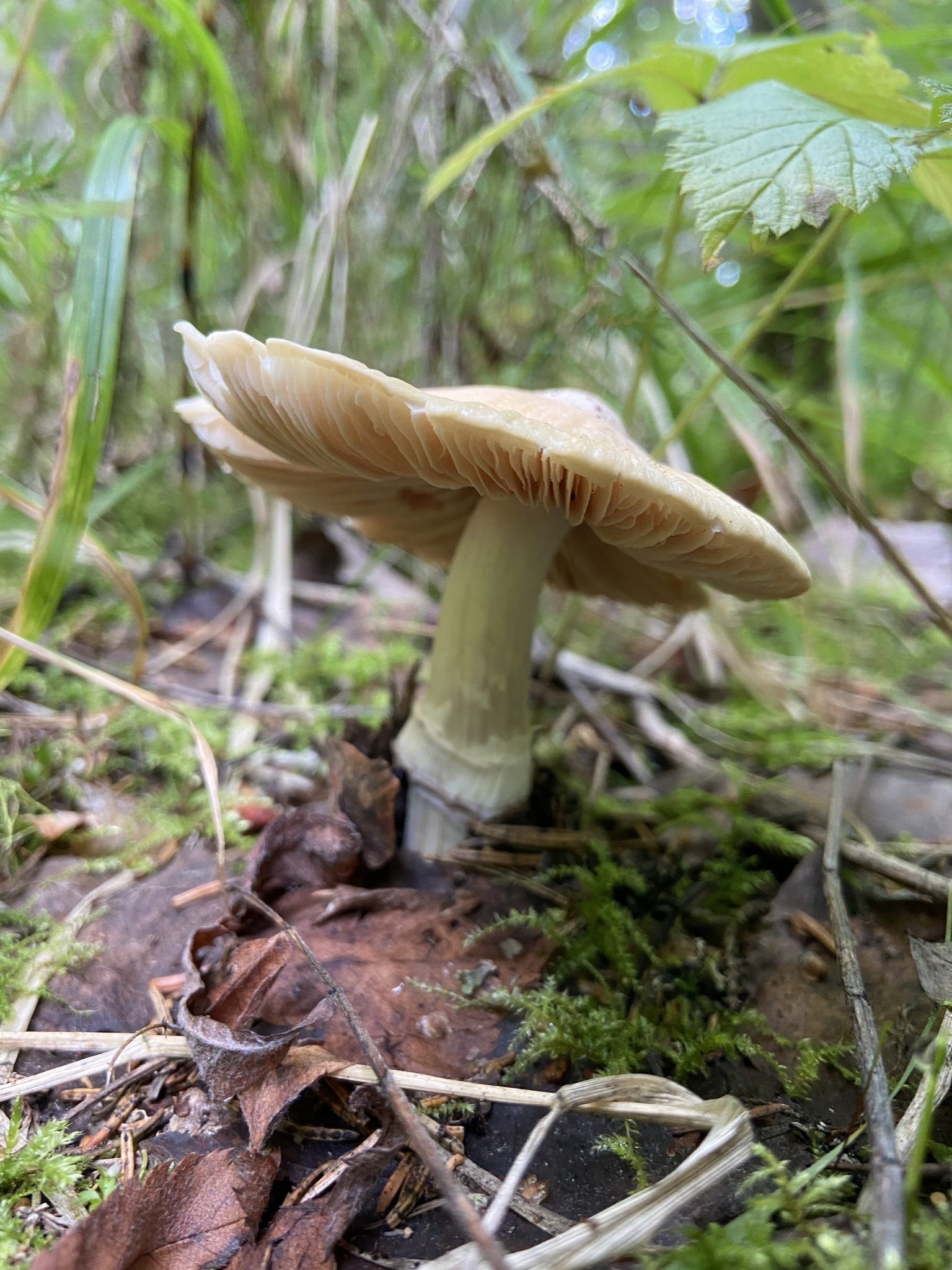
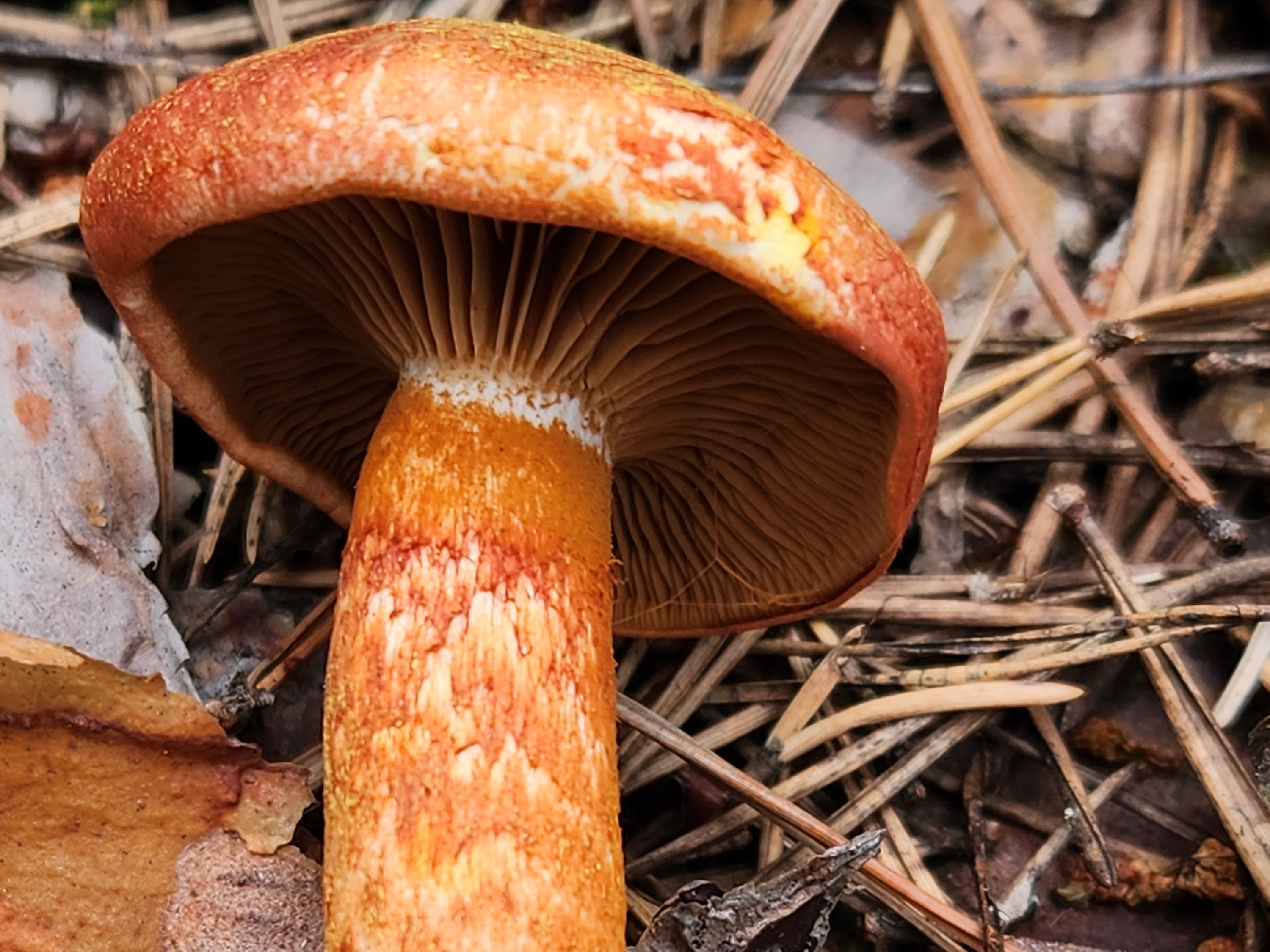
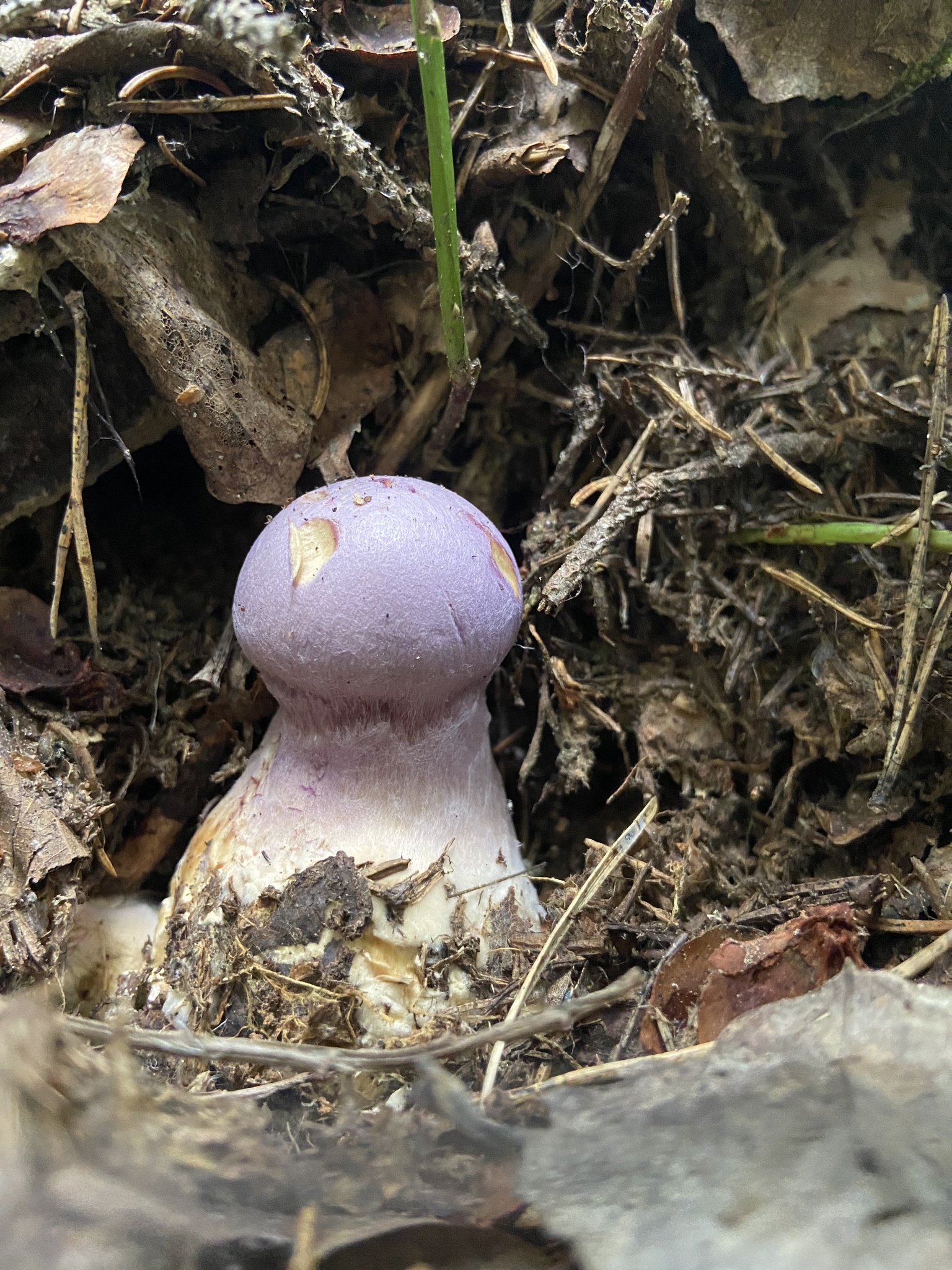
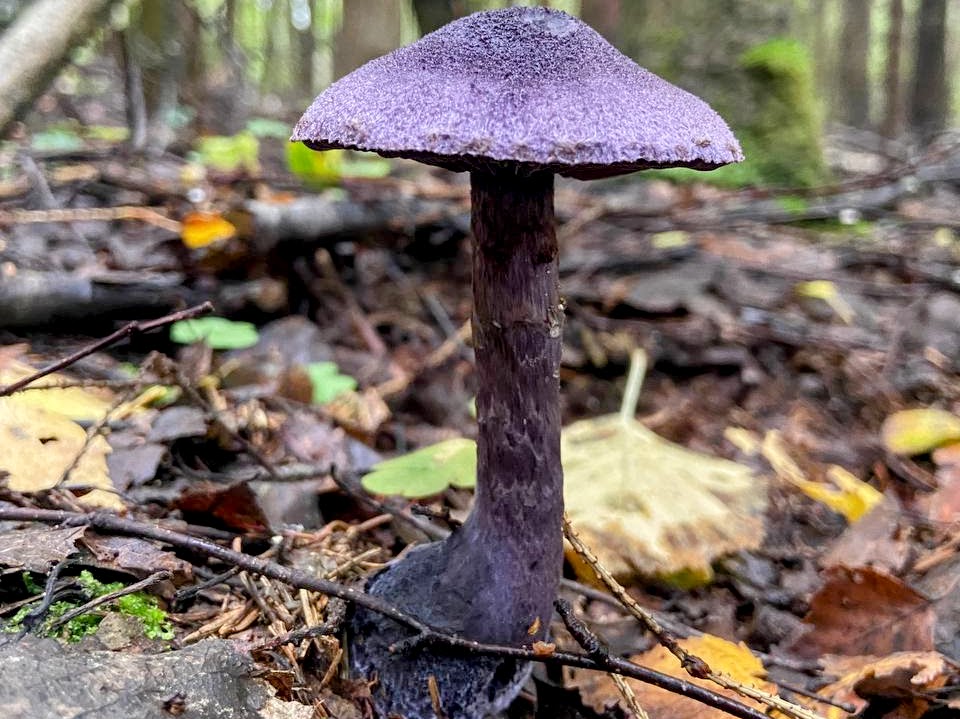
Fruit bodies of majority of species are agaricoid, clearly differentiated into cap and stem, medium and large sizes, less frequently small. Species of genus Cortinarius and some close to it have partial or general-partial veil of cobwebby type, called cortina; in other species partial veil may be membranous, slimy type or absent altogether. Species of genus Volvanarius, separated in 2022, also have volva. Hymenophore properly lamellar, sometimes underdeveloped (in species with secotioid fruit body). Gills more or less adnate, often with tooth or notch, in young mushrooms may be light-colored, but in maturity colored by spores in brown, rusty-brown or ochre tones; there are species with non-coloring gills and white spores (Leucocortinarius). Stems club-shaped or cylindrical, usually without internal cavity, in some species with ring and/or volva, often distinctly swollen at base. Flesh more or less fleshy, often with unpleasant smell and taste, usually not changing color upon cutting. Latex absent. Guttation observed in individual species.
Soil mycorrhiza formers with trees of various species, significantly less frequently (representatives of non-type genera) – soil, litter or wood saprotrophs. Some species possibly symbiotic with mosses. Inhabit most diverse biotopes with normal or excessive moisture: in forests of various types, on meadows, fields, swamps, in rural and urban areas. In arid biotopes (steppes, semi-deserts, deserts) species of Cortinariaceae are rare.
Economic significance of Cortinariaceae for humans is small; some species of Cortinarius considered edible, however due to extremely large number of species in genus and complexity of determination harvesting not recommended even for them. At least 34 species of Cortinarius contain orellanine; less frequently but occur in cortinarians and other toxins. Representatives of other genera poorly known and poorly studied. For forestry Cortinarians useful as mycorrhiza formers, contributing to tree growth, however they are rare in disturbed and damaged (by fire, storms, parasites) forests and little contribute to restoration of forest lands. Some species of Cortinarians used in everyday life as dyes for wool and fabrics.