Family: Agaricaceae (Agaricus family)
Agaricaceae (Agaricus family) - family within order Agaricales (Gilled mushrooms).
One of the largest families in order Agaricales. Names in both cases originate from word meaning simply "mushroom": agaricus in Latin and champignon in French. Originally, at dawn of botanical taxonomy development (mycological taxonomy follows rules of botanical taxonomies), all gilled-cap mushrooms with lamellar hymenophore were assigned to genus Agaricus, and only in late 18th century some major mycologists began separating new genera from it, and name was fixed for agaricus. With systematics development, name "agaricaceous" was fixed for family, separated around agaricus and consisting of genera close to them by life form and fruit body structure, as well as for order to which majority of gilled mushrooms belong. Family absorbed most species previously belonging to group of independent orders Gasteromycetes, after genetic research recognized as close relatives of agaricaceous. As of 2024, family includes more than 80 genera and about one and half thousand species.
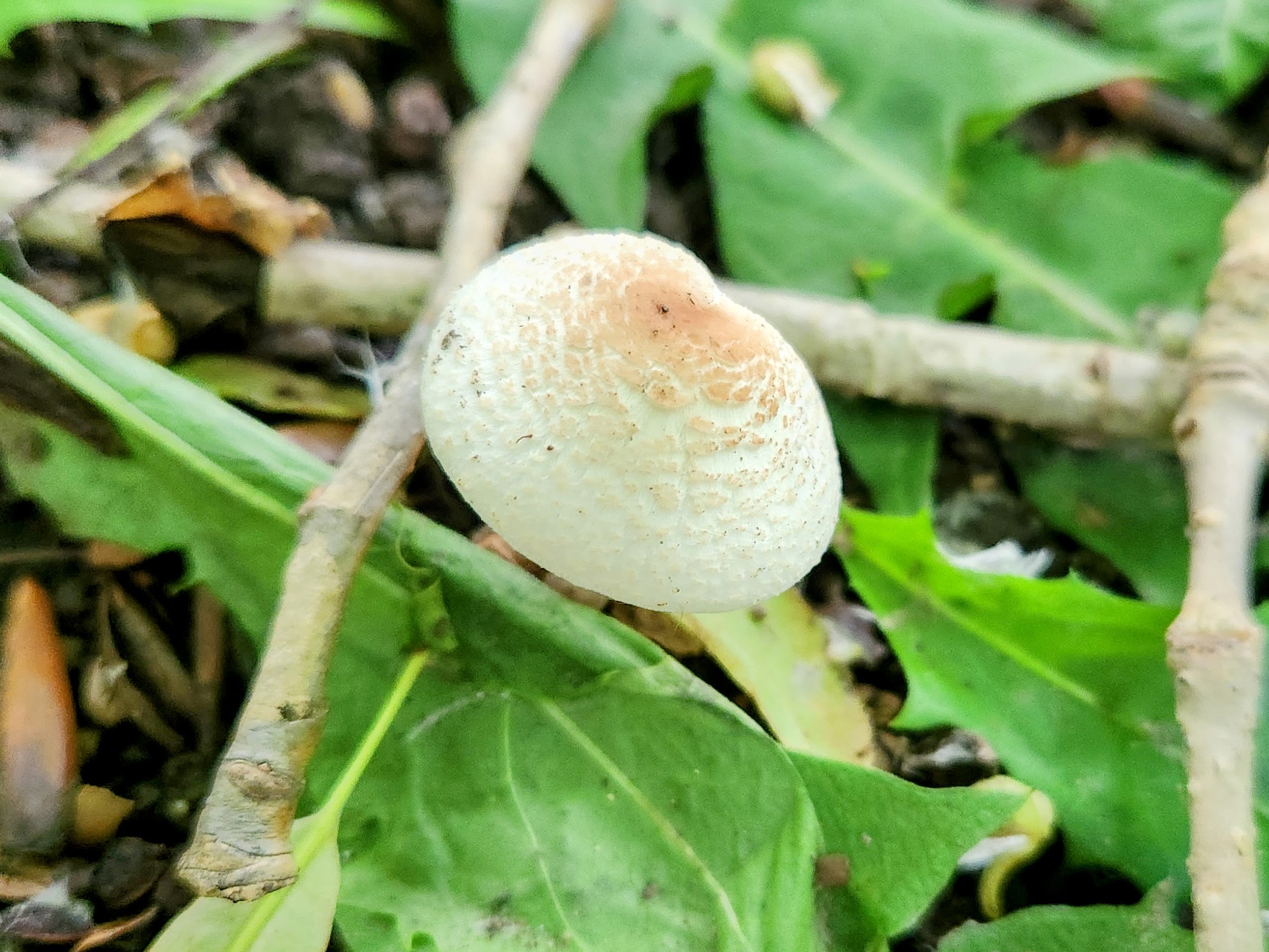
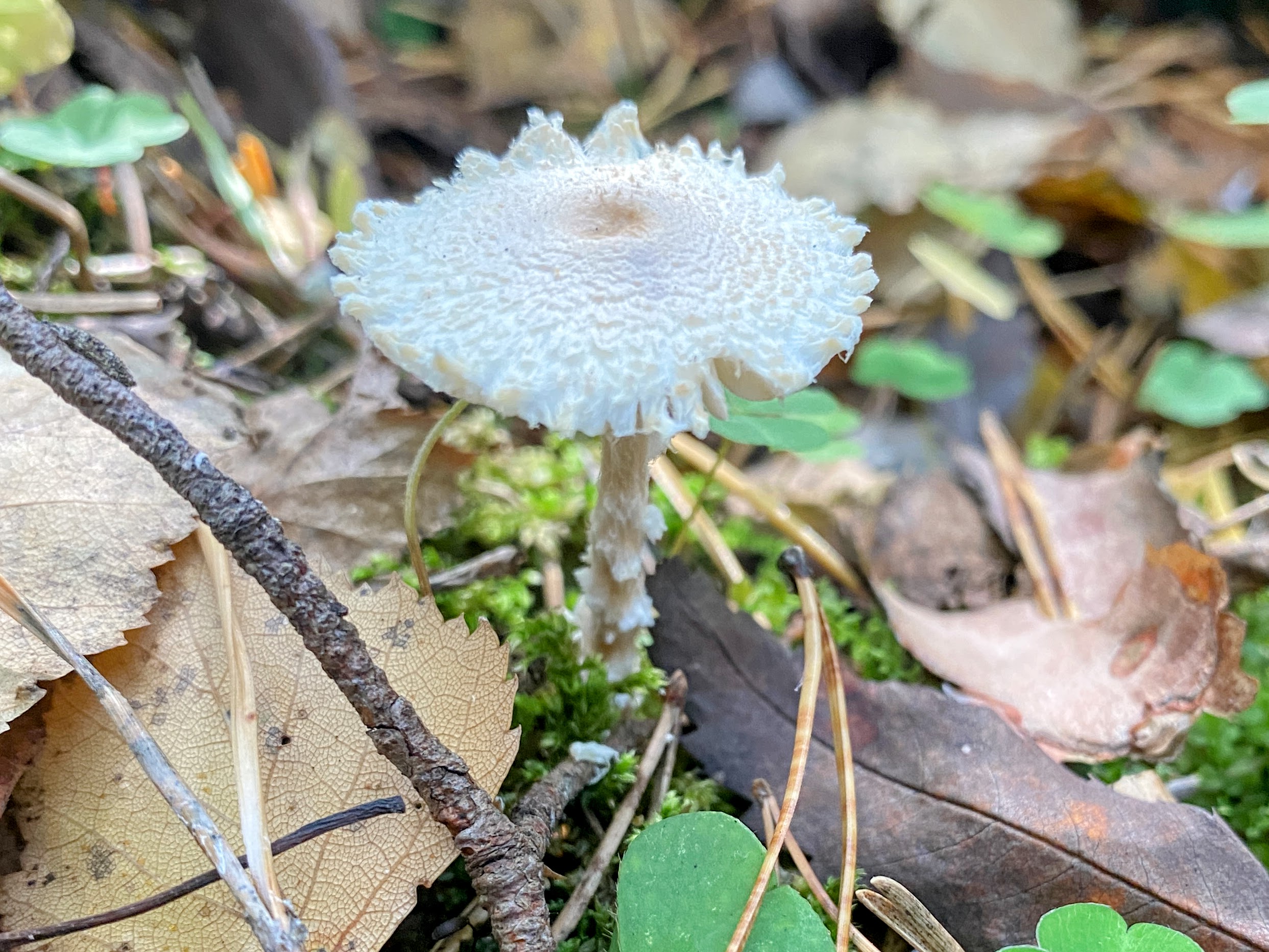
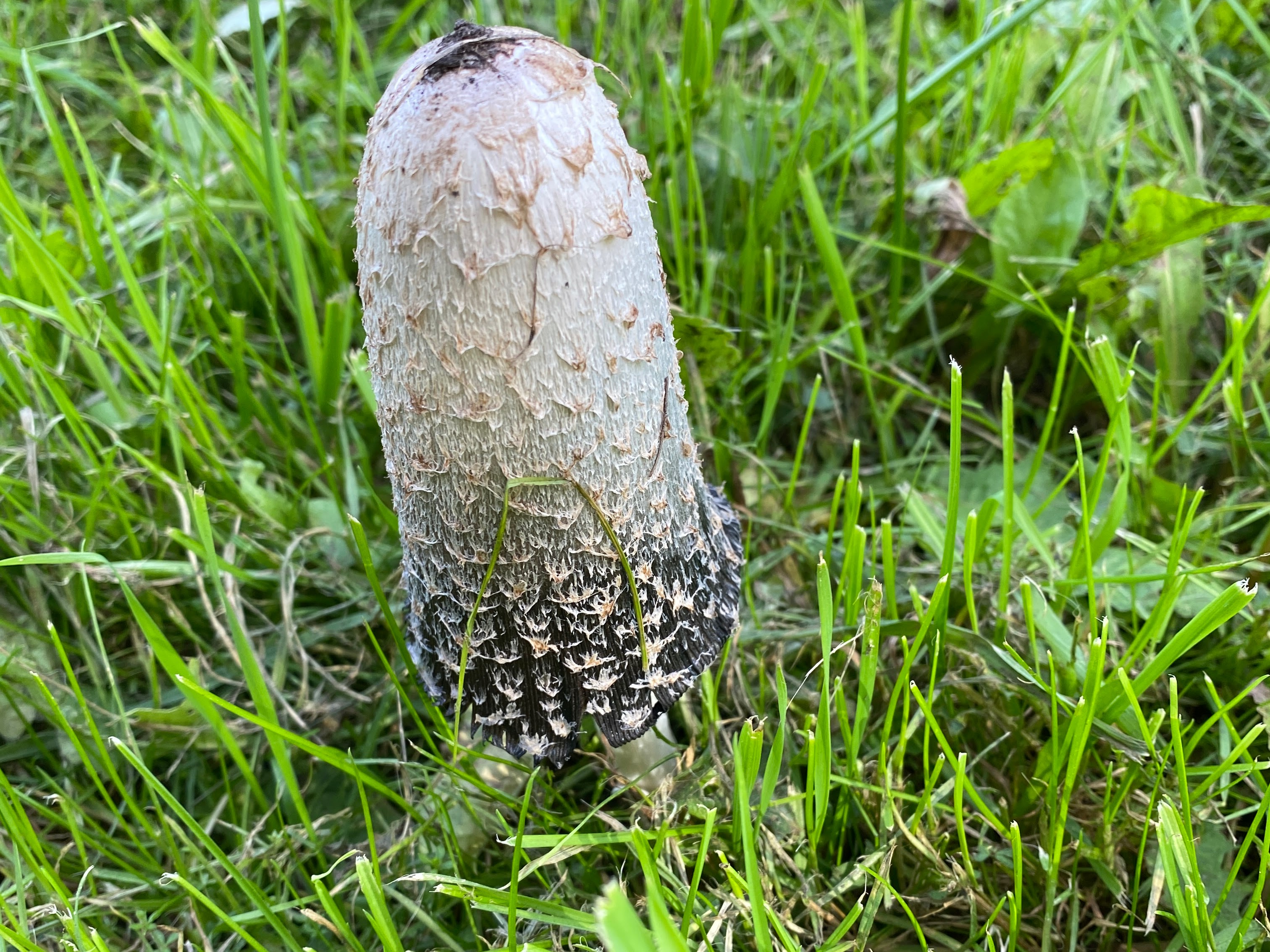
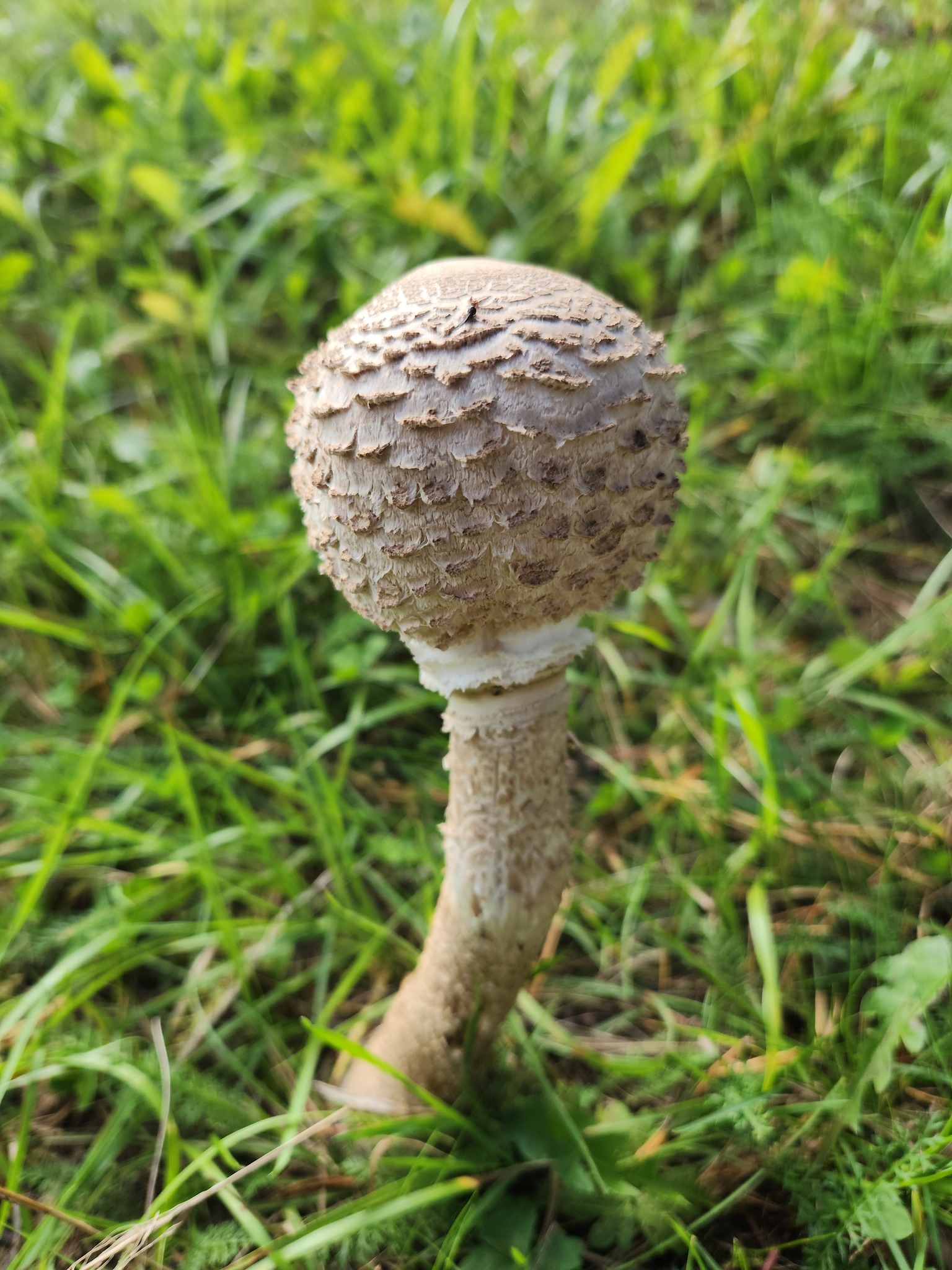
Fruit bodies of agaricaceous in most cases clearly differentiated into cap and stem, and only in few genera and species they are gastroid (closed) or secotioid (unclearly differentiated without developed hymenophore). Size of expanded caps from 1-2 cm (Cystolepiota seminuda) to 20-30 (Agaricus arvensis) and even 45 cm (Macrolepiota procera). Stems usually long (1-2 times exceeding cap diameter, and for small species – up to 5-fold exceeding cap diameter), and only in some thick-fleshed species stem typically short relative to cap. Hymenophore lamellar. Gills free, only in some genera typical semi-adnate or adnate. In genus Agaricus and close to it spores are dark-colored, consequently darkening also mature gills; in some other genera (Lepiota, Macrolepiota, Cystoderma) spores and gills always purely-white. Genera with white spores and gills some taxonomists move into family Lepiotaceae (Lepiotes, Umbrella-mushrooms), however this measure was not accepted by majority of mycologists, and family Lepiotaceae exists "on bird's rights", despite such clear macro-characteristic as spore and hymenophore coloration. Number of genera (Agaricus, Coprinus) has "white-gilled" version, bearing same name with prefix "leuco-" and also attributed to lepiotes upon accepting their attention. In all agaricaceous forming cap-stem fruit bodies, more or less developed partial veil covering gills. However in some genera (Agaricus) it is dense, membranous, rupturing only in beginning of spore ripening and leaving on stem distinct flat, funnel-shaped or collar-like ring, while in others – expressed less clearly and ruptures earlier. For example, in Cystoderma cinnabarinum ring is narrow, in form of collar from flakes, and veil quickly disappears and noticeable only in very young mushrooms. Species Coprinus (coprinus), referred to agaricaceous by Chr. Persoon and returned to him after dissolving family Coprinaceae, has also universal veil (C. comatus, C. calyptratus), leaving unnoticeable volva at base of stem, while in second species – "cap" in center of cap. Volva observed also in representatives of species Volvolepiota and Volvopluteus.
All species of agaricaceous are saprotrophs on soil, manure, humus, very rarely – on wood. Distributed almost across entire globe, including desert areas, but more frequently found in temperate and subtropical climate on open spaces (fields, meadows), less frequently in forests. Do not form mycorrhiza, though forest species may be associated with certain forest compositions, developing on coniferous or deciduous litter. Many species amenable to artificial cultivation.